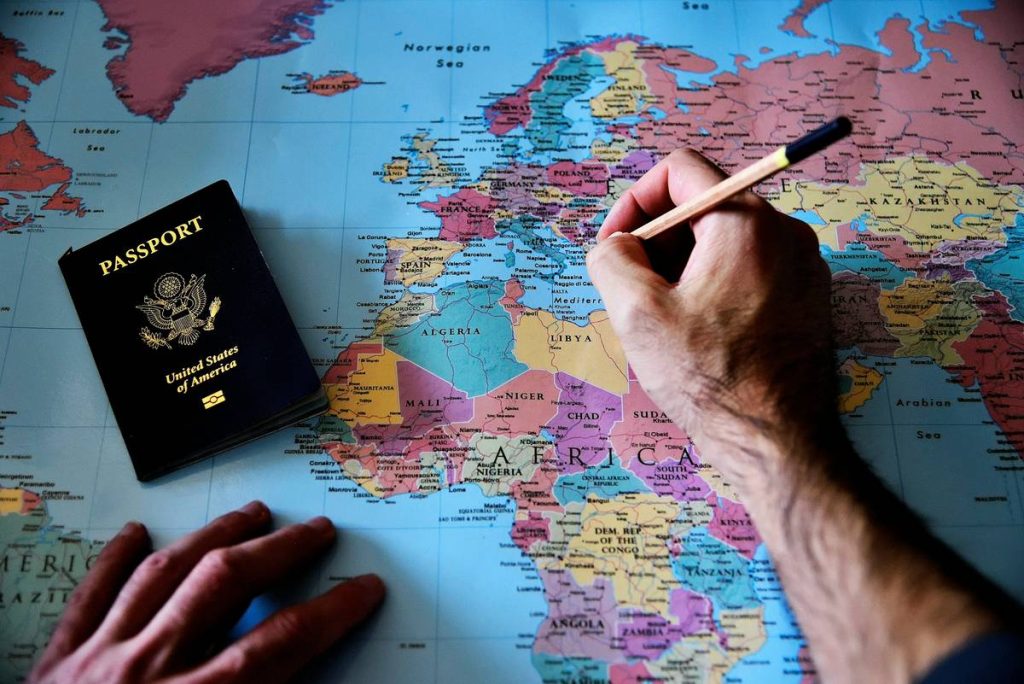
You landed in Madrid. Smiling, eager. Then—panic. The waiter asks a question you didn’t rehearse. Your Duolingo streak means nothing here. This isn’t about conjugating “hablar” perfectly. It’s about surviving—and thriving—in real-time human exchange. The fix? Stop studying Spanish like a student. Start learning it like a traveler.
Why Most “learning spanish for travel” Strategies Fail Before Takeoff
Most programs drown you in grammar drills that vanish the second someone speaks at natural speed. You memorize vocabulary lists for “office supplies” while needing to ask where the bathroom is—or how much that empanada costs. And immersion apps? They reward consistency, not competence. Real travel throws curveballs: slang, regional accents, rushed phrases over noisy plazas.
Here’s the reality: fluency isn’t required. But functional spontaneity is. Without it, you’re stuck miming or paying tourist prices.
Your 5-Step Roadmap to Travel-Ready Spanish
Forget semester-long courses. Focus on high-yield interactions. Prioritize listening over writing. Embrace mistakes—they’re data points, not failures.
Master Survival Phrases First (Not Grammar Rules)
Learn 20 core sentences that cover 80% of street-level needs: asking for directions, ordering food, confirming prices, handling emergencies. Pronounce them aloud until muscle memory kicks in. Skip subjunctive tense—it won’t save you when your bus breaks down outside Seville.
Train Your Ear, Not Just Your Tongue
Spanish spoken on the street sounds nothing like textbook audio. Listen to real conversations—YouTube vloggers in Mexico City, café chatter in Barcelona podcasts. Note rhythm, not just words. Use playback speed controls: slow first, then normal, then slightly faster than native. Condition your brain for chaos.

Ditch Flashcards—Use Situational Scripts
Instead of “la manzana = apple,” build mini-scenarios: “I’m hungry. I point to pastries. I ask ‘¿Cuánto cuesta?’ I hand over coins. I say ‘gracias’.” Rehearse these like theater lines. Add emotional context: frustration, joy, confusion. That’s what sticks.
Negotiate With Confidence (Yes, Even in Broken Spanish)
Markets, taxis, hostels—all fair game for light haggling. Learn key bargaining phrases: “¿Mejor precio?” “Es demasiado caro.” Smile. Gesture. Combine numbers with facial expressions. Most locals appreciate effort over perfection. Plus, you’ll often walk away with a discount and a story.
Embrace the “3-Second Rule”
If you hesitate longer than three seconds in a live exchange, switch to English—but only after trying. This forces quick recall without shame. Over time, those pauses shrink. Soon, you’re responding before your inner editor screams “wrong verb tense!”
| Method | Time to Basic Functionality | Cost | Best For |
|---|---|---|---|
| Duolingo / App-Based Learning | 3–6 months | $0–$70/year | Daily habit-builders; not real conversation |
| Group Travel Spanish Course | 4–8 weeks | $150–$400 | Structured beginners who need accountability |
| 1:1 Tutoring (Conversation-Focused) | 2–4 weeks | $100–$250 | Rapid practical fluency; personalized scenarios |
| Situational Script Drills + Immersion Audio | 1–3 weeks | $0–$30 | Independent learners prepping for specific trips |

The Industry Secret: Locals Don’t Care About Your Accent—They Care About Your Intent
Here’s what no course tells you: Spanish speakers across Latin America and Spain prioritize warmth over accuracy. Mispronounce “calle” as “cah-yeh”? They’ll still help you find your hostel—often with extra kindness. But stay silent or default to English immediately? That’s read as disinterest. The math is simple: effort = respect. And respect opens doors faster than perfect grammar ever could. One client of mine—a solo female traveler in Guatemala—used only 12 phrases, spoken slowly with big gestures. She got invited to family dinners, shown hidden trails, even offered a free room. All because she tried.
FAQ: Quick Answers to Real Traveler Questions
Do I need to learn formal Spanish before traveling?
No. Focus on informal, spoken Spanish used in daily interactions. Drop the “usted” unless you’re in very formal settings—it’s rarely needed for travelers.
How long does it take to learn enough Spanish for travel?
With targeted practice, 10–15 hours over two weeks can get you handling basic needs confidently. Consistency beats cramming.
Is Latin American Spanish different from European Spanish?
Yes—but not enough to block communication. Vocabulary and accent vary (e.g., “car” is “coche” in Spain, “carro” in Mexico), but core phrases work everywhere. Pick one region’s version based on your destination.