You’ve memorized verb conjugations. You’ve aced Duolingo streaks. But standing in a Madrid market, tongue-tied while ordering jamón—you realize textbook Spanish isn’t enough. The disconnect? Passive learning versus lived language. Cultural immersion Spanish travel benefit of actually using words with emotion, gesture, and context flips fluency from theory to muscle memory.
Why Traditional Language Learning Fails Travelers
Most courses teach Spanish like it’s algebra—abstract, rule-bound, detached from human rhythm. You’ll never learn how a Valencia fishmonger haggles or how Argentinians drop “vosotros” for “ustedes” from a flashcard app. And accent? Forget it. Without hearing native speakers in natural settings—restaurants, buses, festivals—you’ll keep mispronouncing “perdón” like you’re apologizing for breathing too loud.
Worse: isolation breeds fossilization. Mistakes go uncorrected. Nuance evaporates. You sound polite—but robotic. Like a GPS giving directions at a flamenco show.
Cultural Immersion Spanish Travel Benefit of Authentic Connection
Step 1: Ditch the Syllabus—Embrace Situational Vocabulary
Focus on high-stakes micro-contexts: ordering food, asking for directions, negotiating a taxi fare. These aren’t “phrases”—they’re survival tools wrapped in culture. Learn that “¿Cuánto cuesta?” in Mexico City carries different weight than in rural Andalusia.
Step 2: Live With Locals, Not Tourists
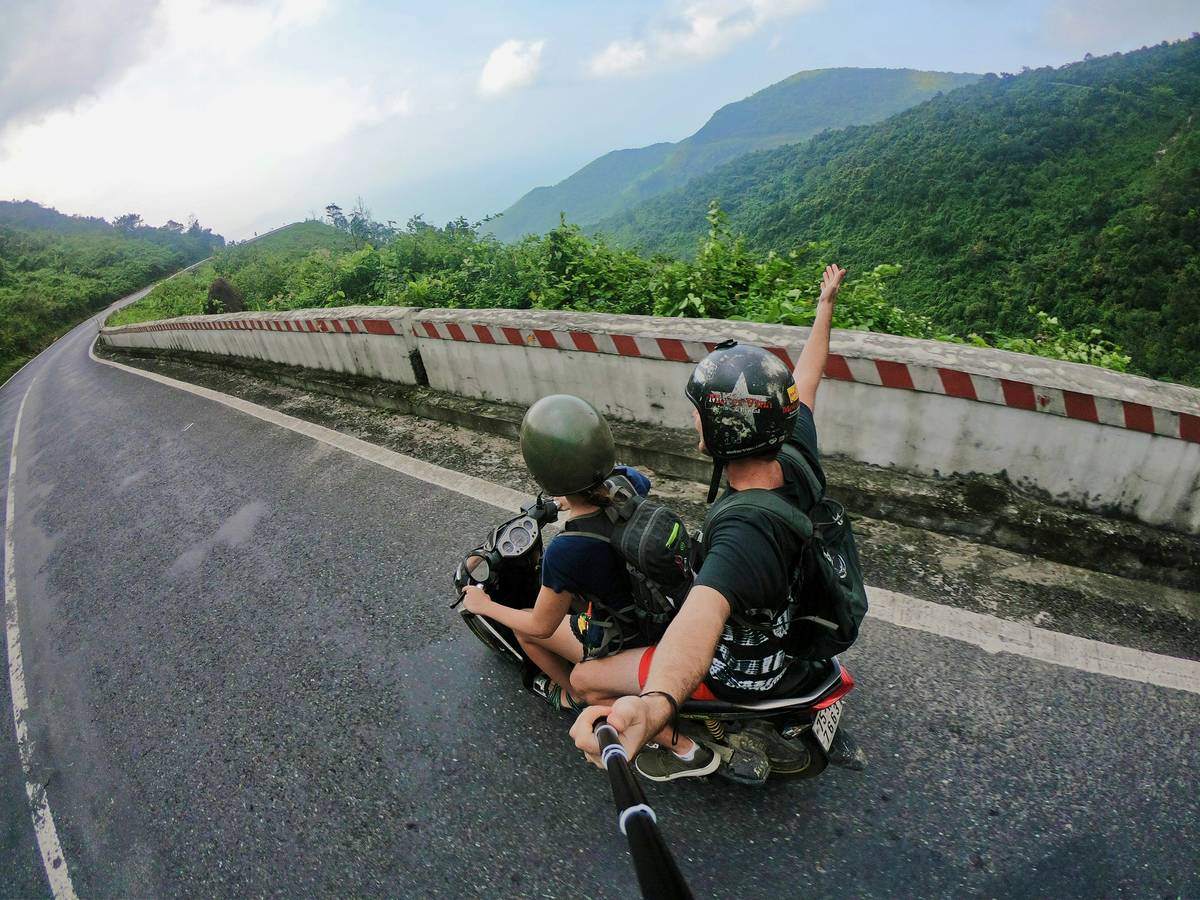
Homestays or local guesthouses force interaction. You’ll hear slang, jokes, and filler words (“este…”, “pues…”) no textbook dares include. And yes—it’s uncomfortable. Good. Discomfort is where adaptation begins.
Step 3: Make Mistakes Loudly—and Laugh
Say “embarazada” when you meant “avergonzado”? Congrats—you just learned the difference between “pregnant” and “embarrassed” forever. Locals appreciate effort over perfection. Your blunder becomes your mnemonic.
| Method | Avg. Cost (1 Week) | Real Fluency Gain* | Cultural Insight Level |
|---|---|---|---|
| App-Based Learning (Duolingo, Babbel) | $0–$15 | Low | None |
| Group Classroom Course | $200–$400 | Moderate | Surface-level |
| Private Tutor (Remote) | $150–$300 | High (if consistent) | Limited |
| In-Country Homestay + Local Interaction | $600–$1,200 | Very High | Deep & Lasting |
*Fluency gain measured by conversational confidence, pronunciation accuracy, and contextual vocabulary retention after 30 days.
The Industry Secret: Most “Immersion” Programs Aren’t Immersive
Here’s the dirty truth: many schools slap “immersion” on brochures but herd students into English-speaking enclaves. Real immersion means zero safety net. No English allowed—even when your brain screams for relief. The best programs don’t just teach Spanish; they engineer discomfort. Think: cooking classes taught only in regional dialects, or scavenger hunts requiring negotiation with street vendors. The goal isn’t comfort—it’s cognitive rewiring. And most travelers bail before Day 3. Those who stay? They leave speaking with intuition, not translation.
Frequently Asked Questions
Do I need to be fluent before traveling to a Spanish-speaking country?
No. Basic phrases + willingness to engage beat perfect grammar. Locals reward courage, not correctness.
How long does it take to see real fluency gains through cultural immersion?
Noticeable shifts happen in 7–10 days if you avoid English completely. Full conversational flow often emerges by week three.
Can older adults benefit as much as young travelers?
Absolutely. Neuroplasticity persists well into later years. Motivation—not age—drives language acquisition speed.