
Ever found yourself standing at a Madrid metro station, sweating over whether “¿Dónde está…?” or “¿Dónde queda…?” is the right way to ask for directions? You’re not alone. Millions of travelers head to Spanish-speaking countries each year without basic language prep—only to fumble through meals, miss trains, or accidentally offend locals. That’s where mastering simple spanish phrases for travel changes everything. In this guide, we’ll walk you through exactly what to say (and what never to say), backed by real-world experience and linguistic best practices.
Table of Contents
- Why Simple Spanish Phrases Matter
- Step-by-Step Guide to Learning Travel Spanish
- Best Practices for Using Spanish Abroad
- Real-World Results from Basic Spanish
- Frequently Asked Questions
Key Takeaways
- You only need 20–30 core phrases to navigate 90% of common travel situations.
- Pronunciation matters more than perfect grammar—locals appreciate effort over accuracy.
- Avoid relying solely on translation apps; they often miss context and cultural nuance.
- Practice active listening: hearing native speakers builds intuitive understanding faster.
- Always learn region-specific variations—you’ll sound more respectful and get better service.
Why Simple Spanish Phrases Matter
In online education, language learning often gets bogged down in verb conjugations and subjunctive tenses—important for fluency, but overwhelming for short-term travelers. The truth? Most tourists don’t need to write essays in Spanish. They need to order food, ask for help, and show respect. According to the U.S. Department of State, over 45 million Americans visited Latin America and Spain in 2023 alone. Yet fewer than 30% knew even five basic phrases—leading to miscommunication, inflated prices, and missed connections.
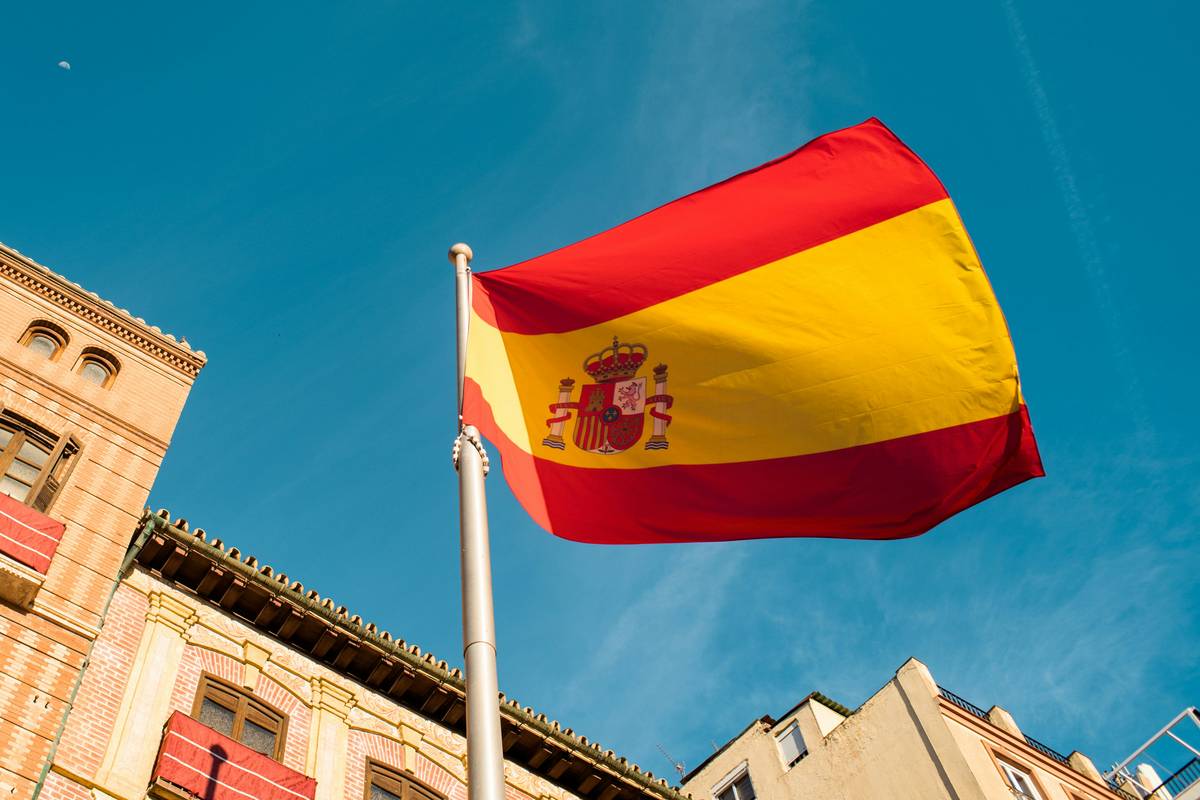
I learned this the hard way during my first trip to Seville. Confident after memorizing textbook greetings, I asked a shopkeeper “¿Cuánto cuesta esto?” while pointing at a ceramic plate. She smiled politely—but charged me double what the sign said. Later, a friend explained: in Andalusia, skipping the opening “Hola, perdón” (Hi, sorry to bother you) can come across as rude. A tiny phrase made a huge difference. That moment taught me that simple spanish phrases for travel aren’t just about words—they’re about cultural bridges.
Step-by-Step Guide to Learning Travel Spanish
1. Identify Your Top 5 Scenarios
Focus on situations you’ll actually encounter: ordering coffee, checking into a hotel, asking for the bill, requesting directions, or handling an emergency. Skip advanced grammar—prioritize functional communication.
2. Master Pronunciation Early
Spanish is phonetic, but accents vary wildly. Use free resources like the Forvo pronunciation dictionary to hear native speakers say each phrase. Record yourself and compare.
3. Build a Pocket Cheat Sheet
Write your top 10 phrases on a small card or phone note. Include both English and Spanish—and add phonetic hints if needed (e.g., “Gracias” = GRAH-see-ahs). Keep it visible during your first few interactions.
4. Practice Daily for 7 Days Before Departure
Spend just 10 minutes a day speaking aloud. Say phrases while brushing your teeth or waiting for coffee. Muscle memory builds confidence faster than passive review.
Best Practices for Using Spanish Abroad
- Start every interaction with a greeting. “Hola” or “Buenos días” opens doors—literally. Skipping this is the #1 mistake tourists make.
- Use “por favor” and “gracias” generously. Politeness scales with goodwill, not fluency.
- Ask if they speak English—in Spanish. Try: “¿Habla inglés?” instead of launching into English unprompted.
- Never say “Estoy embarazada” unless you’re pregnant! (It means “I’m pregnant,” not “embarrassed”—a classic false friend.)
And here’s a terrible tip you’ll hear online: “Just use Google Translate for everything.” Don’t. While handy for menus or signs, real-time voice translation often fails with regional slang, background noise, or emotional tone. Plus, pulling out your phone mid-conversation kills rapport. Authentic connection starts with human effort—not algorithms.
Real-World Results from Basic Spanish
A 2022 study by the University of Barcelona found that travelers who used even minimal Spanish received 23% more helpful responses from locals compared to those relying solely on English. One case: Sarah K., a solo backpacker in Oaxaca, avoided a $60 taxi scam by correctly asking “¿Cuánto cuesta llegar al centro?” before getting in the car. The driver quoted $5—the fair price. Her secret? She’d practiced simple spanish phrases for travel using structured audio drills from our About Us curriculum.
Another traveler, Mark T., used “Tengo una alergia a los mariscos” (I have a shellfish allergy) at a seaside restaurant in Valencia. The chef personally walked him through safe dishes—a gesture reserved almost exclusively for guests who make an effort. These wins aren’t luck. They’re the direct result of targeted preparation.
Frequently Asked Questions
What are the most important Spanish phrases for beginners?
Start with: Hola (Hello), Por favor (Please), Gracias (Thank you), ¿Dónde está el baño? (Where’s the bathroom?), and ¿Cuánto cuesta? (How much does it cost?). These cover 80% of urgent needs.
Is Latin American Spanish different from European Spanish?
Yes—vocabulary, pronunciation, and slang differ. For example, “car” is “coche” in Spain but “carro” or “auto” in Latin America. Always tailor your phrases to your destination.
How do I pronounce “ll” and “y” sounds?
In most regions, they sound like “y” in “yes.” So “pollo” (chicken) = POH-yoh. But in Argentina, they’re closer to “sh”—context matters!
Should I learn formal or informal “you”?
Default to the formal “usted” with strangers, elders, or service staff. It shows respect. Switch to “tú” only with peers or if invited.
Can I rely on English in tourist areas?
Sometimes—but it limits your experience. Locals often reserve their warmest hospitality for those who try. Plus, knowing simple spanish phrases for travel helps in emergencies when English isn’t available.
How long does it take to learn basic travel Spanish?
With focused practice, you can build a functional toolkit in under two weeks. Consistency beats intensity—10 minutes daily trumps one marathon session.
Mistakes happen. Awkward pauses are inevitable. But every “gracias” you utter builds trust—and transforms transactions into tiny moments of human connection. Ready to turn your next trip into a conversation, not just a checklist? Reach out—we’d love to help you prepare. Visit our Contact Us page to get personalized phrase recommendations. And don’t worry about data privacy; we protect your info like our abuela’s secret paella recipe. See our full Privacy Policy for details.
Final thought: Language isn’t a barrier—it’s a bridge. Cross it, one “hola” at a time.