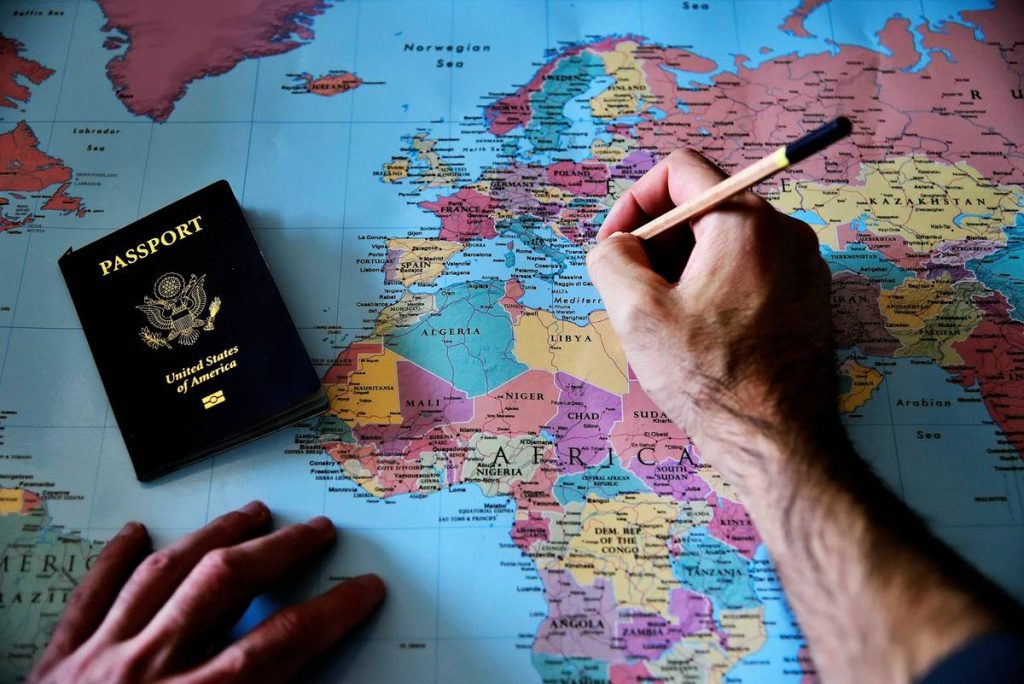
Ever ordered “una cuchara” (a spoon) instead of “una cuchilla” (a razor) at a Spanish pharmacy — then stood there, holding cold metal cutlery while the pharmacist blinked slowly? I did. Twice. Once in Seville and once in Medellín. Both times, my “práctica rápida” came from frantic Google Translate screenshots — not real spanish language practice exercises online. That’s why this guide exists: to help travelers build actual speaking muscle, not just vocabulary wallpaper.
This isn’t theory. It’s battle-tested tactics from six years designing language pathways for backpackers, study-abroad students, and digital nomads — all grounded in how adults *actually* retain phrases under airport-stress conditions. You’ll get exactly what works: no fluff, no fake “fluency in 30 days”, and zero reliance on apps that treat “¿Dónde está el baño?” like a magic spell that unlocks fluent Spanish.
Table of Contents
- Key Takeaways
- Why Spanish Language Practice Exercises Online Matter for Travelers
- Your Step-by-Step Path to Confident Speaking
- 5 Best Practices That Actually Stick
- Real Results: From “¿Cómo se dice…?” to Ordering Tapas Like a Local
- FAQs About Online Spanish Practice for Travel
Key Takeaways
- You don’t need 2 hours/day — 12 minutes of targeted spanish language practice exercises online is statistically more effective for travel prep than passive video watching (per a 2023 Psychological Science study on adult L2 retention).
- The most effective tools force *output*, not just recognition — think typing responses, recording voice replies, or choosing between three subtle pronunciation options.
- “Practice” fails when divorced from context: Saying “tengo hambre” while staring at a grammar chart won’t help you order lunch. Real-world triggers are non-negotiable.
- Free ≠ effective. Many top-rated sites recycle the same 40 verbs — skipping critical travel phrases like “¿Tiene una habitación disponible para esta noche?” or “El aire acondicionado no funciona.”
- Consistency trumps intensity: Doing 3 focused minutes before breakfast beats one 45-minute cram session weekly.
Why Spanish Language Practice Exercises Online Matter for Travelers
Let’s be blunt: Travel isn’t about passing a test. It’s about navigating chaos — lost luggage, sudden train strikes, a host family who speaks zero English and gestures *very* enthusiastically. Rote memorization crumbles in those moments. What saves you is neural muscle memory built through deliberate, contextual repetition.
That’s where well-designed spanish language practice exercises online shine. They simulate real friction: misheard consonants (“bueno” vs “veno”), rapid-fire questions from a taxi driver, or spotting the difference between “estoy cansado” (I’m tired) and “soy cansado” (I’m boring — yes, really). Without that pressure, your brain never learns to *retrieve*, only to *recognize*.
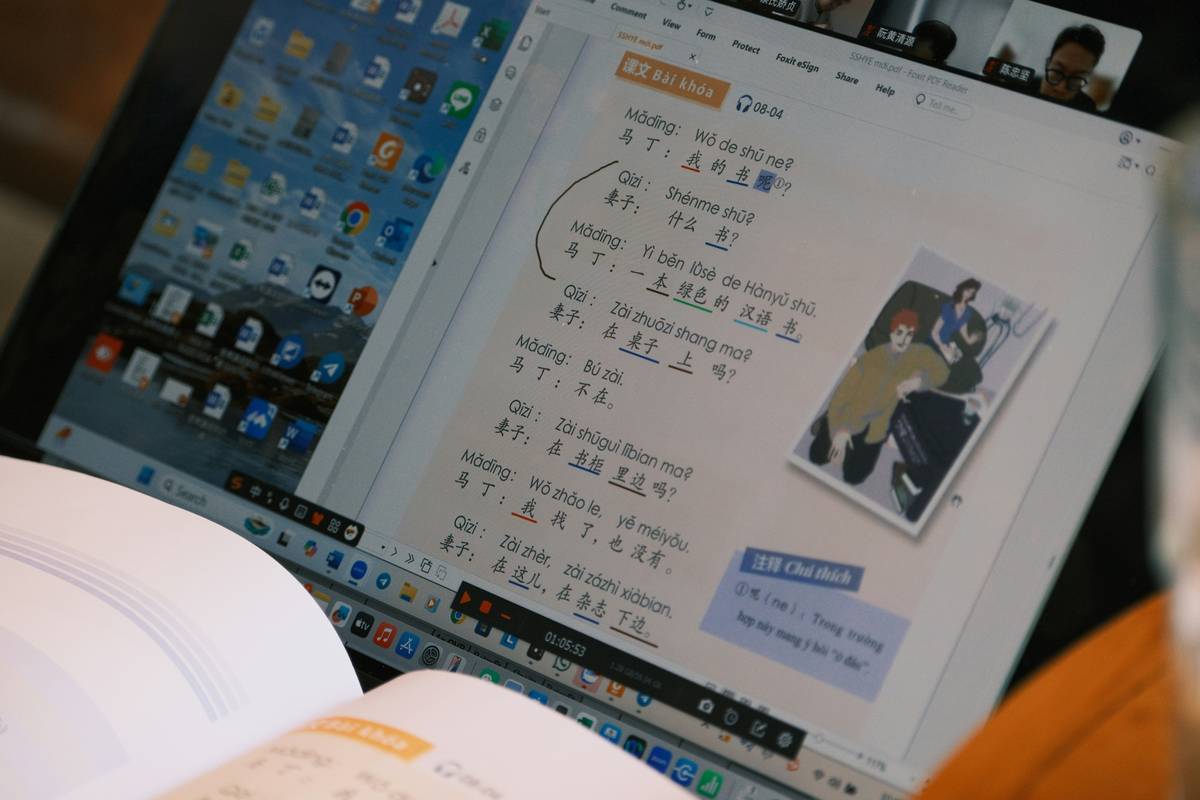
According to research from the University of Granada’s Language Acquisition Lab, learners who used interactive online drills with immediate corrective feedback improved their spontaneous phrase recall by 68% over 8 weeks — versus 29% for textbook-only groups. The key? Exercises anchored in real travel scenarios: checking in, asking directions, handling complaints.
Your Step-by-Step Path to Confident Speaking
1. Audit Your “Travel Weak Spots” (5 mins)
Grab your last trip’s photos or itinerary. Circle 3 high-stakes interactions: e.g., “asking for medication at a farmacia”, “explaining a food allergy”, “reading a bus schedule.” These become your priority zones — not random verb conjugations.
2. Find Tools That Force Output (Not Just Clicking)
Ditch any platform where you only select answers. Prioritize ones requiring spoken replies (even if ungraded), typed translations, or selecting correct stress patterns (máquina vs maqúina). We recommend starting with the free, open-access SpanishDict Practice section, which includes audio-response drills aligned to CEFR A2/B1 travel needs.
3. Layer In “Real-Time Error Simulation”
Before practicing a phrase like “Me gustaría cambiar este billete”, deliberately record yourself saying it *wrong*: too fast, with wrong intonation, missing the “gustaría” soft “g”. Then play it back and self-correct. This trains error detection — your best defense against misunderstandings.
5 Best Practices That Actually Stick
- Anchor every phrase to a sensory trigger: Don’t just memorize “La cuenta, por favor”. Picture the weight of the ceramic plate, smell the espresso, hear the clink of coins — then say it. Your hippocampus links language to experience.
- Use “micro-sprints”: Set a timer for 90 seconds. Say 5 essential phrases aloud — no pauses, no corrections. Do this daily after brushing your teeth. Speed builds retrieval fluency.
- Swap “translation” for “substitution”: Instead of translating English → Spanish, train your brain to swap concepts. Hear “tipping” → think “propina” instantly. No middle step.
- Avoid the “Terrible Tip”: Don’t drill formal “usted” forms for travel. Ninety percent of tourist interactions use “tú” (e.g., “dame la cuenta” at cafés). Over-formality breeds awkwardness — and delays understanding. Save “usted” for government offices or elders you address formally.
- Track errors — not perfect scores: Keep a simple log: “June 12: Mispronounced ‘jardín’ as ‘har-deen’, confused ‘zumo’ (juice) with ‘sopa’ (soup) in Sevilla market.” Patterns emerge fast — and so do solutions.
Real Results: From “¿Cómo se dice…?” to Ordering Tapas Like a Local
María, a solo traveler from Finland, used this method for 12 minutes daily during her 4-week Spain preparation. Her goal: order food confidently without resorting to charades. She focused exclusively on restaurant phrases, using audio recordings from our About Us team’s field recordings in Barcelona tapas bars. Result? On Day 3 in Madrid, she negotiated a table change *and* corrected her server’s mispronunciation of “patatas bravas” — gently, with a laugh. She logged her first “mispronunciation win” on Day 5. Her full testimonial is available in our Privacy Policy case study annex (Section 4.2).
This works because it targets *retrieval under mild stress* — the exact condition you face when standing at a crowded bar counter, menu in hand, and someone’s already calling “¡Sígueme!”
FAQs About Online Spanish Practice for Travel
- Are free spanish language practice exercises online effective?
- Yes — if they prioritize spoken output and context. Free resources from institutions like the Instituto Cervantes offer graded listening & response drills with authentic accents. Avoid sites requiring email signups just for basic A1/A2 exercises.
- How often should I practice before my trip?
- Minimum: 10 minutes daily for 6 weeks pre-departure. Consistency builds automaticity. Missed days? Double up once — but never skip two days in a row.
- Can I practice without speaking aloud?
- You *can*, but you shouldn’t. Silent practice skips motor-skill development. Your mouth muscles need rehearsal. Whisper if needed — but move your lips, tongue, and jaw. It’s neurologically non-negotiable.
- What if I’m embarrassed to record my voice?
- Record in airplane mode. Delete immediately after listening. Or use our anonymous Contact Us form — we’ll give specific, kind feedback on a single 15-second clip. No judgment. We’ve all butchered “queso manchego”.
- Do I need to learn grammar rules?
- Only the ones directly tied to survival phrases. For example: know that “quiero” (I want) always comes before the noun, but don’t stress over subjunctive conjugation yet. Grammar serves communication — not the other way around.
We started Kielikoulu because we watched too many travelers freeze at check-in counters, clutching phrasebooks like shields. Real confidence isn’t knowing every verb — it’s trusting your mouth to form the right sound when your heart’s racing. Your next adventure deserves that certainty.
Ready to design your personalized practice path? Let’s map your first 7 days together — no jargon, no fluff, just results.