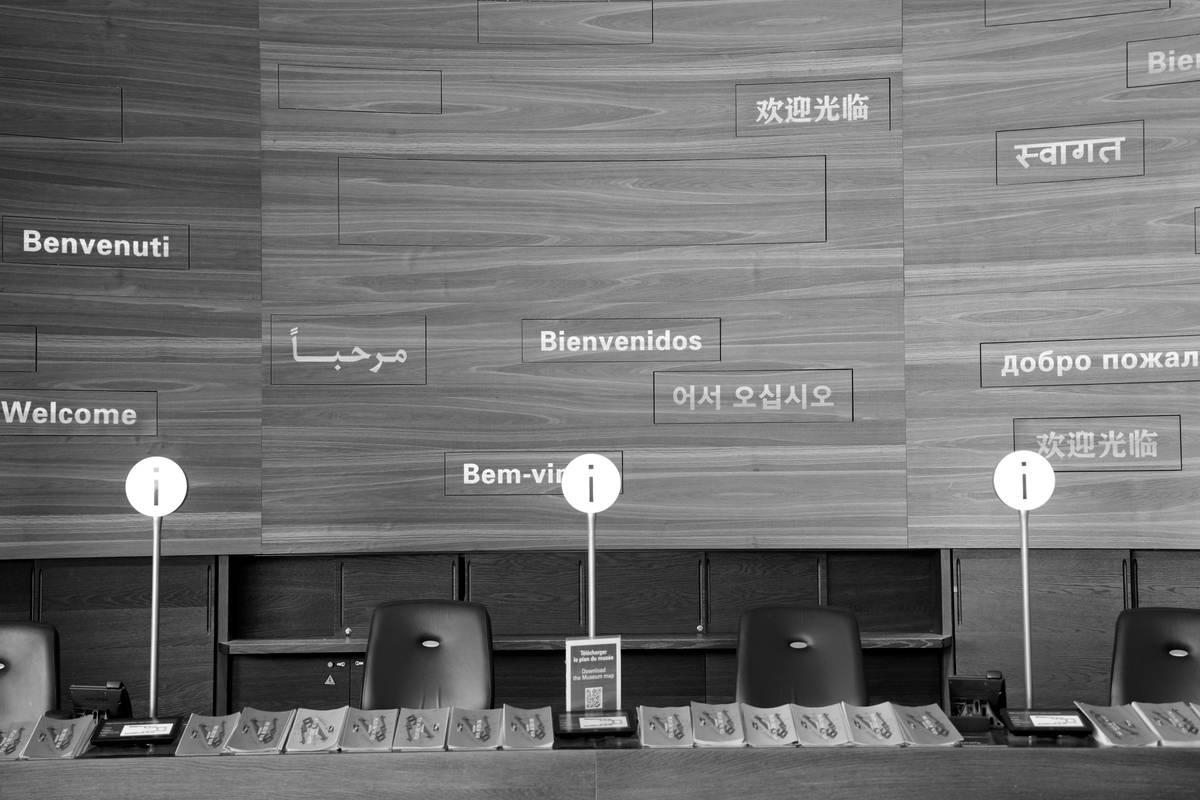
You land in Seville. Your phone dies. You forgot your phrasebook. Panic sets in. You reach for that sleek electronic language translator for travel you bought online—only to get a robotic, tone-deaf reply that confuses the bartender more than it helps. Sound familiar? For travelers trying to speak Spanish, most “smart” devices create more friction than fluency.
The Illusion of Instant Translation
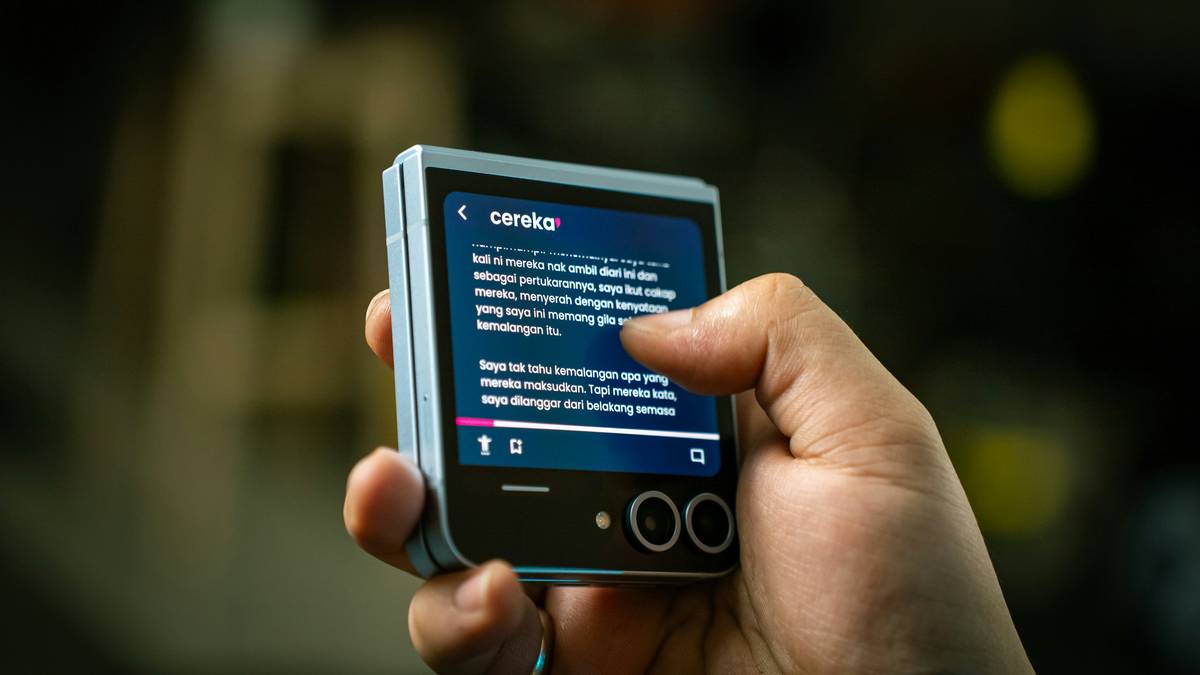
Electronic language translators for travel promise real-time, accurate conversation. But they ignore the messy reality of spoken Spanish: regional slang, rapid cadence, and context-dependent verbs like “coger” (which means “to take” in Spain but something… very different in Latin America). These gadgets treat language like math—plug in words, get output. Language isn’t math. It’s culture, rhythm, and nuance.
And worse—they discourage actual learning. Why practice when your device “handles it”? Then the battery dies. Or the internet drops in rural Andalusia. Suddenly, you’re stranded without even basic survival phrases.
How to Master Spanish for Travel—Without Relying on Gadgets
Ditch the fantasy of flawless automation. Build real competence with a hybrid approach: targeted phrases, active listening, and human backup. Here’s how:
Start with High-Impact Phrases Only
Forget memorizing 500 words. Focus on 20 versatile expressions that cover 80% of tourist interactions: asking for directions, ordering food, checking prices, and handling emergencies. Prioritize pronunciation over perfection—”¿Dónde está el baño?” said clearly beats a perfect subjunctive clause mumbled nervously.
Use Apps—But Not as Crutches
Apps like Duolingo or Babbel are great for drilling patterns. But don’t use them mid-conversation. Instead, rehearse scenarios offline: simulate ordering tapas, haggling at markets, or explaining a food allergy. Record yourself. Compare to native speakers. Train your ear—not just your vocabulary bank.
Carry a Physical Backup
Paper never crashes. A laminated cheat sheet with phonetic spellings (“grah-see-as” for gracias) survives rain, sand, and dead batteries. Keep it in your pocket—not buried in a backpack.
| Method | Cost | Reliability in Rural Spain | Builds Real Skill? |
|---|---|---|---|
| Electronic Language Translator (e.g., Pocketalk) | $150–$300 | Low (needs Wi-Fi/cloud) | No |
| Offline Translation App (e.g., Google Translate offline mode) | Free–$10 | Medium (limited vocabulary) | Minimal |
| Targeted Phrasebook + Audio Practice | $5–$20 | High (no tech needed) | Yes |
| Live Tutor Session Pre-Trip (1 hour) | $15–$40 | N/A (prep only) | High |
Practice With Purpose Before Departure
Spend 10 minutes daily for two weeks before your trip. Not scrolling flashcards—simulating real moments. Say: “La cuenta, por favor” while pretending to wave down a server. Respond to imaginary questions: “¿Habla inglés?” → “Un poco. ¿Podemos hablar despacio?” Muscle memory beats digital dependency every time.
The Industry Secret: Pros Don’t Translate—They Navigate
Professional tour guides and polyglots rarely use electronic language translators for travel. Why? They’ve mastered what linguists call “communicative negotiation”—the art of getting meaning across through gestures, simplified syntax, and shared context. Example: Instead of fumbling for “I’m allergic to shellfish,” they point to a menu item and say “No marisco—alergia” while miming throat-closing. It works because humans decode intention faster than grammar. Tech interrupts that flow. The goal isn’t perfect Spanish—it’s being understood and connecting.
Frequently Asked Questions
Do electronic language translators work in Spain?
They function in cities with strong Wi-Fi but often fail with accents, slang, or offline. Not reliable for solo or rural travel.
What’s the best free alternative to electronic translators?
Google Translate’s offline Spanish pack plus a printed phrase list. Use it to prep—not to replace real interaction.
How many Spanish phrases do I really need?
Just 15–20 core phrases cover most traveler needs. Focus on pronunciation and confidence, not quantity.