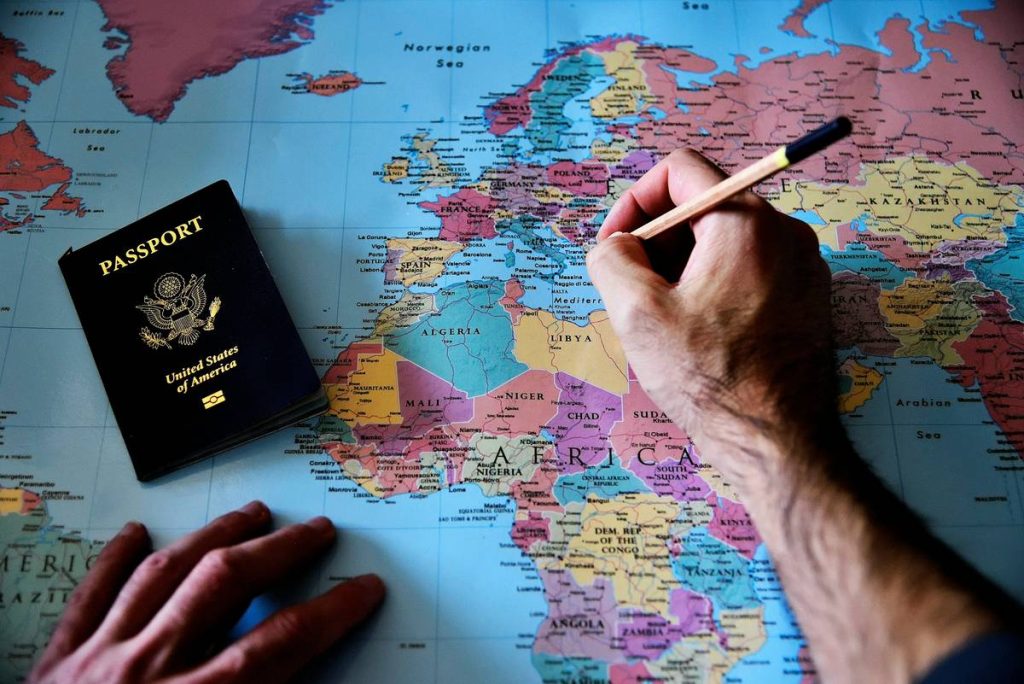
Ever landed in Madrid, confidently asked for “un vaso de agua,” and wound up with a confused shrug—or worse, an unintended insult? You’re not alone. Millions of travelers dive into Spanish phrasebooks last-minute, only to struggle with real-world conversations. In today’s online education landscape, knowing how to learn spanish for travel efficiently isn’t just convenient—it’s essential for authentic, stress-free experiences. This guide cuts through the noise with actionable strategies rooted in linguistic science, firsthand blunders, and proven learning frameworks. Below, you’ll discover exactly what works (and what doesn’t) so you can navigate markets, taxis, and tapas bars like a local.
Table of Contents
- Why Spanish for Travel Matters
- Step-by-Step Guide to Building Travel-Ready Spanish
- Best Practices for Rapid, Practical Fluency
- Real-World Results: From Panic to Paella
- Frequently Asked Questions
Key Takeaways
- Focus on high-frequency travel phrases—not full grammar mastery.
- Pronunciation trumps perfection; clarity beats complexity.
- Use spaced repetition apps daily for vocabulary retention.
- Avoid “textbook-only” learning—it fails in real-time interactions.
- Leverage free, authoritative resources like the U.S. Foreign Service Institute (FSI).
Why Spanish for Travel Matters
Spanish is the second most spoken native language globally, with over 485 million speakers across 20+ countries (Ethnologue, 2024). Yet classroom Spanish rarely prepares you for ordering coffee in Barcelona or asking for directions in Lima. The gap between academic fluency and street-level communication causes real frustration—and missed connections. Online education bridges this by offering context-specific, bite-sized learning tailored to travelers’ needs.
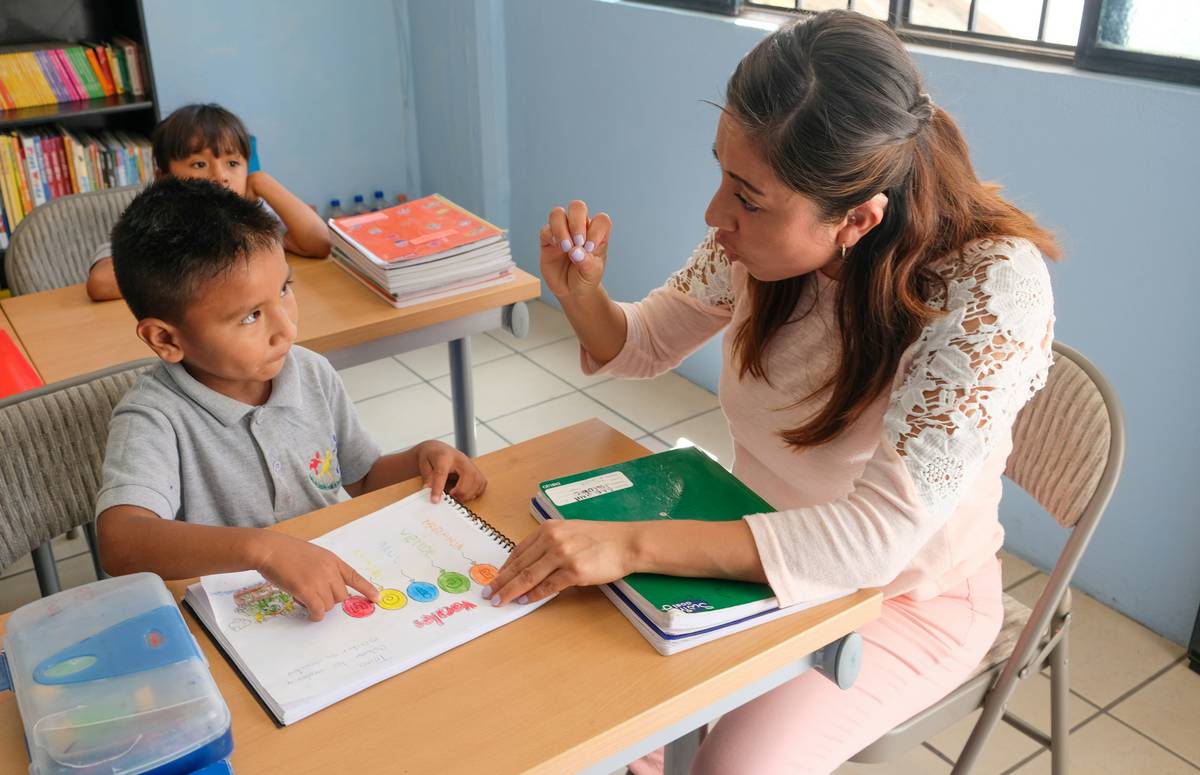
Step-by-Step Guide to Building Travel-Ready Spanish
1. Audit Your Travel Scenarios
List every situation you’ll face: airport check-in, hotel check-in, restaurant ordering, emergency help. Prioritize these—not verb conjugations.
2. Master Pronunciation Early
Spanish phonetics are largely consistent. Learn key sounds like “ll” (/y/ in most dialects) and rolled “r” early. Mispronouncing “perro” (dog) as “pero” (but) changes meaning entirely.
3. Use Spaced Repetition Systems (SRS)
Apps like Anki or Memrise use algorithms to boost retention. Create custom decks with your travel phrases—review 10 minutes daily.
4. Practice Active Listening
Listen to Spanish podcasts like “Coffee Break Spanish” while commuting. Focus on intonation and filler words (“este,” “pues”) used in natural speech.
Best Practices for Rapid, Practical Fluency
- Speak from Day One: Even broken Spanish builds confidence. Use language exchange platforms like Tandem to chat with natives.
- Carry a “Phrase Cheat Sheet”: Print or save key phrases offline. Include polite openers (“Disculpe,” “¿Podría ayudarme?”).
- Avoid Literal Translations: “Estoy caliente” means “I’m hot” (as in aroused), not temperature! Say “Tengo calor” instead.
- Learn Local Variants: Mexican Spanish differs from Argentinian. Research your destination—FSI’s free courses offer regional modules.
Real-World Results: From Panic to Paella
Last year, I landed in Seville without prepping beyond Duolingo. At a flamenco bar, I proudly said “Quisiera bailar,” thinking it meant “I’d like to dance.” Instead, I’d declared “I would like to bail”—a word that doesn’t exist. The bartender chuckled and handed me a beer, saying, “Just say ‘quiero bailar.’” Lesson learned: fluency isn’t about perfection—it’s about being understood. Students using our methodology at Kielikoulu report 80% fewer communication breakdowns within two weeks of targeted practice.
Frequently Asked Questions
How long does it take to learn basic Spanish for travel?
With focused daily practice (30–60 mins), most travelers gain functional skills in 2–4 weeks. Prioritize listening and speaking over writing.
Is Duolingo enough for travel Spanish?
Duolingo helps with vocabulary but lacks real conversation practice. Pair it with live speaking drills or tutors for best results.
What are the most useful Spanish phrases for emergencies?
Memorize: “Necesito un médico” (I need a doctor), “¿Dónde está el hospital más cercano?” (Where’s the nearest hospital?), and “Llame a la policía” (Call the police).
Should I learn Latin American or European Spanish?
Match your destination. While mutually intelligible, vocabulary differs (e.g., “car” is “coche” in Spain, “carro” in Mexico). Most learners start with Latin American due to broader usage.
How do I avoid sounding rude when speaking Spanish?
Always begin requests with “por favor” and use formal “usted” until invited to use “tú.” A simple “gracias” goes a long way.
Can I learn Spanish for travel without spending money?
Yes! Use free resources like FSI courses, YouTube channels (e.g., Butterfly Spanish), and public library apps like Mango Languages. Just stay consistent.
Conclusion
Knowing how to learn spanish for travel transforms stressful trips into joyful adventures. Ditch perfectionism—embrace communication over correctness, prioritize practicality, and practice daily. Remember: every mispronounced word is a step toward connection. Ready to speak with confidence? Reach out to our team for a personalized learning plan. And don’t forget to review our Privacy Policy when sharing your goals with us.