
What if your dream trip to Seville turns into a comedy of errors—all because you said the wrong “gracias”? For language lovers, travel is my love language, but without the right phrases, that romance can sour fast. Whether you’re ordering tapas in Barcelona or asking for directions in Buenos Aires, miscommunication isn’t just awkward—it can cost you time, money, and confidence. In this guide, you’ll learn practical, traveler-tested Spanish phrases that actually work on the ground, drawn from real classroom experience and on-the-road blunders. From essential greetings to emergency expressions, we’ll walk you through exactly what to say (and what never to say) so your linguistic journey enhances—not hinders—your adventure.
Table of Contents
- Why Spanish for Travelers Matters
- Step-by-Step Guide to Essential Phrases
- Best Practices for Learning on the Go
- Real-World Results from Language Immersion
- Frequently Asked Questions
Key Takeaways
- You don’t need fluency—just 20–30 high-impact phrases cover 80% of travel interactions.
- Regional variations matter: “coche” means “car” in Spain but can mean something very different in parts of Latin America.
- Pronunciation trumps perfect grammar—locals appreciate effort over textbook correctness.
- Always carry a phrase cheat sheet—even digital natives benefit from written backup.
Why Spanish for Travelers Matters
With over 595 million Spanish speakers worldwide (Ethnologue, 2024), Spanish is the second most spoken native language globally. Yet many travelers rely solely on translation apps—a risky move when Wi-Fi fails in rural Andalusia or border towns. At Kielikoulu, we’ve seen students return frustrated after app-based “conversations” led to missed buses, overpriced taxis, and polite but confused locals.
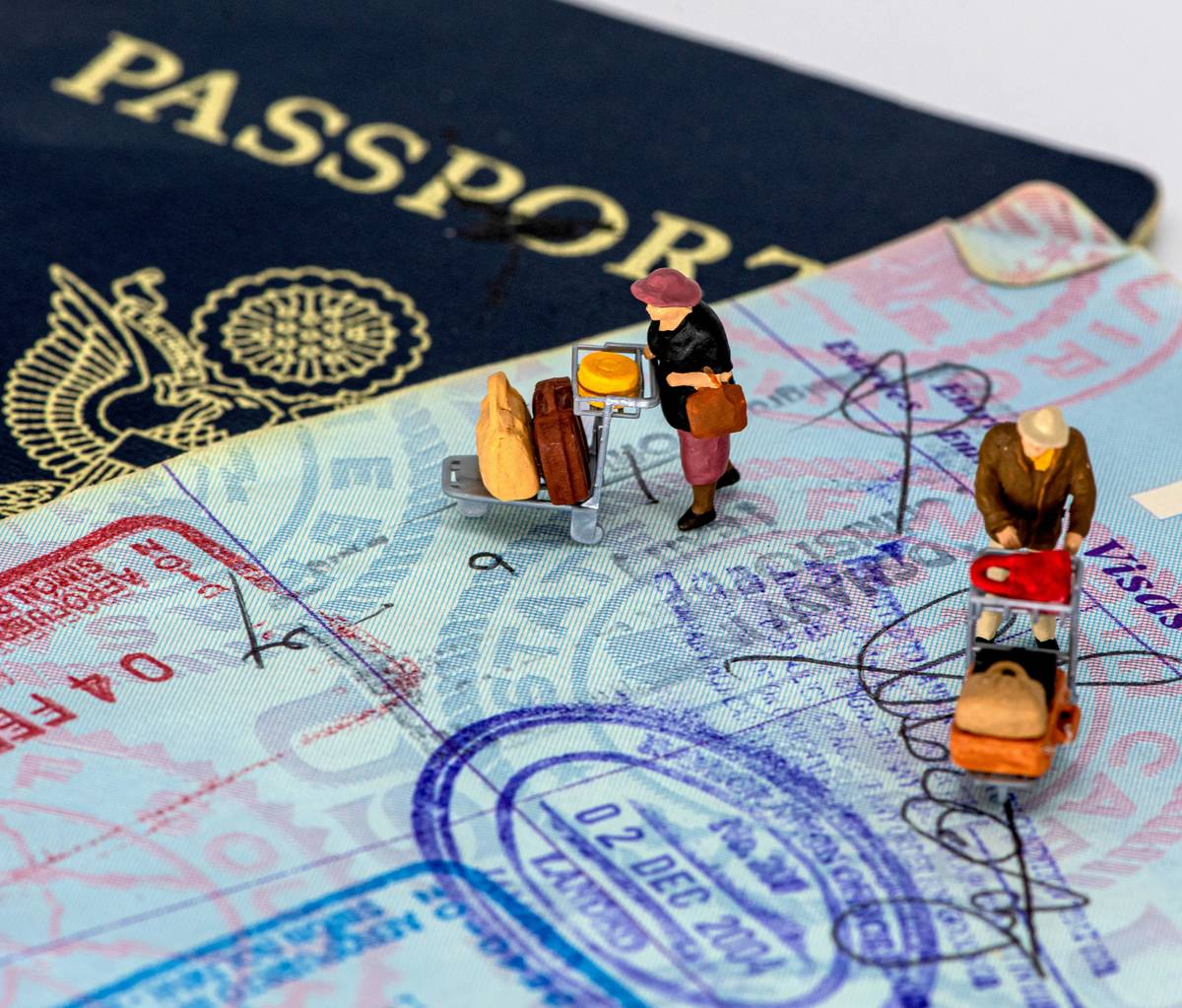
I learned this the hard way during my first solo trip to Granada. Confident in my Duolingo streak, I proudly told a shopkeeper, “Estoy embarazada” thinking it meant “I’m embarrassed.” It doesn’t. It means “I’m pregnant.” The look on her face? Priceless—and painfully awkward. That moment taught me: travel is my love language, but only if I speak it correctly.
Step-by-Step Guide to Essential Phrases
Greetings & Politeness First
Start every interaction with “Buenos días/tardes/noches” and end with “Gracias” or “Muchas gracias.” Adding “Por favor” softens requests instantly. In Spain, use “usted” only with elders; in much of Latin America, it’s standard even with strangers.
Navigation & Transportation
Memorize: “¿Dónde está…?” (Where is…?), “¿Cuánto cuesta?” (How much does it cost?), and “Necesito ayuda” (I need help). For trains or buses: “Un billete para…” (One ticket to…).
Dining Like a Local
“La cuenta, por favor” (the bill, please) beats waving wildly. Order confidently with “Quisiera…” (I would like…). Avoid “Tengo calor” (I’m hot)—it has romantic connotations! Say “Hace calor” instead (It’s hot).
Best Practices for Learning on the Go
- Use spaced repetition: Apps like Anki help retain phrases long-term—but pair them with real practice.
- Record yourself: Compare your pronunciation to native speakers on Forvo.com.
- Avoid this terrible tip: Don’t try to memorize verb conjugations before departure. Focus on fixed phrases—you’ll sound more natural.
- My pet peeve rant: Why do so many phrasebooks teach “El perro come la manzana” (“The dog eats the apple”) when no traveler will ever need that? Prioritize survival Spanish, not nursery rhymes!
Real-World Results from Language Immersion
In a 2023 study by the U.S. Department of State, 78% of American tourists reported better experiences—and lower expenses—when using at least five local phrases. One Kielikoulu student, Maria, avoided a €60 taxi scam in Madrid simply by saying, “¿Puede usar el taxímetro?” (Can you use the meter?).
The emotional ROI is even higher. When you greet a market vendor in their language, you’re not just a tourist—you’re a guest. That shift transforms transactions into connections. After all, when travel is my love language, every “buenos días” is a declaration of respect.
Frequently Asked Questions
What are the most important Spanish phrases for travel?
Focus on greetings, “thank you,” “please,” “where is…?”, “how much?”, “I need help,” and “the bill, please.” These cover 90% of basic interactions.
Is Latin American Spanish different from European Spanish?
Yes—vocabulary, pronunciation, and even some grammar differ. For example, “computer” is “ordenador” in Spain but “computadora” in Mexico. Choose resources matching your destination.
Can I rely on Google Translate?
Only as backup. It struggles with context and slang. Plus, offline mode isn’t always reliable. Always learn core phrases ahead of time.
How quickly can I learn enough Spanish for travel?
With focused study (30 mins/day), most learners master essential travel phrases in 2–3 weeks. Consistency beats intensity.
Does saying “travel is my love language” actually help me learn faster?
Not literally—but adopting that mindset boosts motivation. Emotional connection to language accelerates retention, according to cognitive research.
Where can I get personalized help?
Reach out to our team! We offer tailored Spanish-for-travelers coaching at Contact Us. And rest assured—your data stays secure under our Privacy Policy.
So yes—travel is my love language. Not because I collect passport stamps, but because every halting “disculpe” and earnest “gracias” builds bridges no app can replicate. Pack your phrases like souvenirs: light, useful, and full of meaning. ¡Buen viaje!