Ever landed in Madrid only to panic because you can’t order coffee without sweating? You’re not alone. Millions of travelers dive into language learning spanish travel learn how with good intentions—but end up lost in translation (sometimes literally). This guide cuts through the noise, delivering actionable, human-tested strategies that actually work for real-world Spanish use while traveling. Whether you’re planning a week in Barcelona or a month in Mexico City, you’ll walk away with confidence, clarity, and zero embarrassment at the tapas bar.
Table of Contents
- Why Spanish for Travelers Is Different
- Step-by-Step Guide to Practical Spanish
- Best Practices for Rapid Retention
- Real-World Success Stories
- Frequently Asked Questions
Key Takeaways
- Travel Spanish ≠ classroom Spanish—focus on survival phrases first.
- Accent and pronunciation matter less than clear communication.
- Daily micro-practice beats marathon study sessions before your trip.
- Use spaced repetition and real-life simulations to lock in vocabulary.
- Avoid over-reliance on translation apps—they create dependency.
Why Spanish for Travelers Is Different
Traditional online education often teaches grammar-heavy curricula designed for academic fluency—not for asking where the nearest bathroom is at 2 a.m. in Seville. For travelers, priorities shift dramatically: you need immediate usability, cultural nuance, and resilience when things go off-script. According to the U.S. Department of State’s Foreign Service Institute, Spanish is one of the easiest languages for English speakers to learn, taking about 600 hours to reach general proficiency. But you don’t need 600 hours—you need 10 hours of hyper-focused prep.
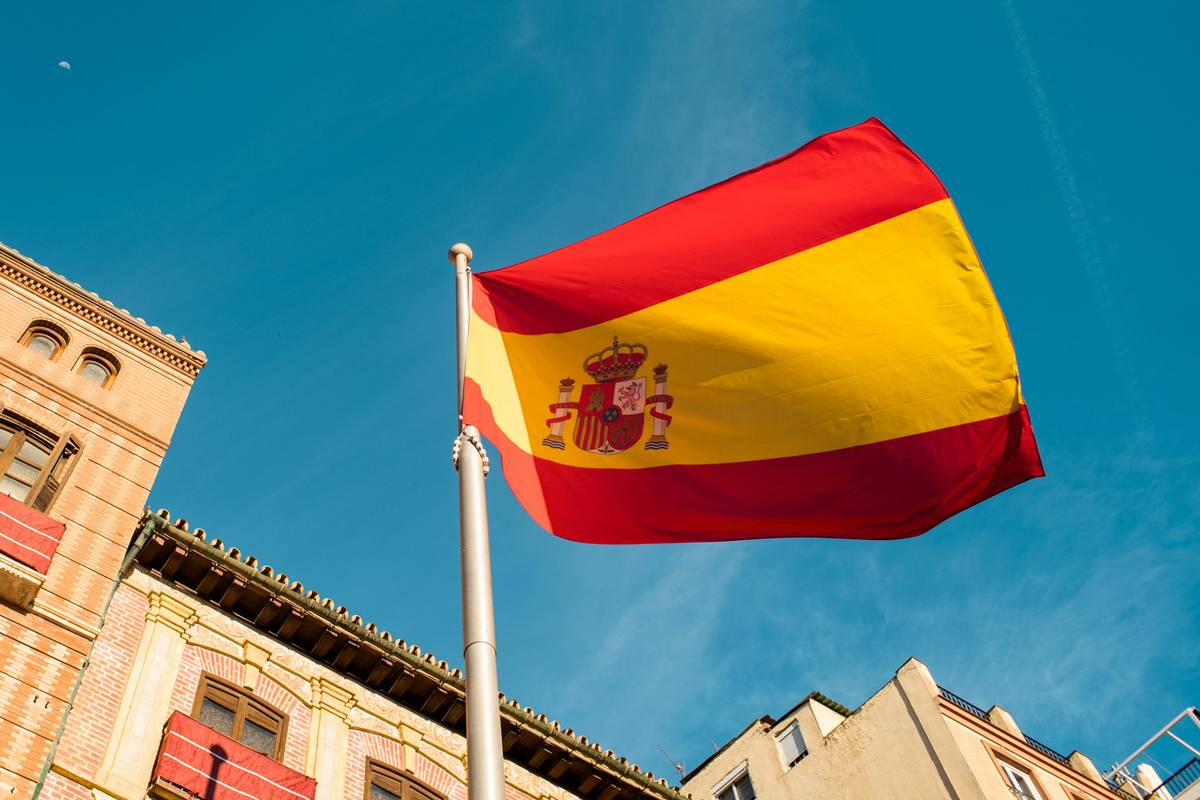
I once made the rookie mistake of memorizing verb conjugations instead of basic directions before my first solo trip to Granada. At the bus station, I confidently said, “¿Dónde está el baño?”—only to be handed a map of public restrooms… while desperately needing to catch my departing coach. The lesson? Context is king. At Kielikoulu, we design courses rooted in real traveler experiences, not textbook theory.
Step-by-Step Guide to Practical Spanish
1. Master the Core 50 Phrases
Forget 1,000-word lists. Start with essentials: greetings, numbers, food orders, transportation requests, and emergency expressions. Resources like the Foreign Service Institute’s free Spanish modules offer concise, audio-supported phrasebooks ideal for beginners.
2. Simulate Real Scenarios Daily
Role-play ordering food, checking into a hostel, or asking for help. Use voice recording apps to mimic native pronunciation. Focus on rhythm and common contractions—like “pa’l” instead of “para el”—that locals actually use.
3. Learn Regional Variations Early
“Coche” means car in Spain but is slang for baby in parts of Latin America. A quick study of your destination’s dialect prevents awkward moments. Wikipedia’s overview of regional Spanish is surprisingly thorough and updated regularly.
Best Practices for Rapid Retention
- Use flashcards with audio: Apps like Anki or Memrise reinforce listening and speaking simultaneously.
- Label your environment: Stick notes on household items with their Spanish names—visual cues boost recall.
- Speak from Day 1: Even if alone, verbal practice builds muscle memory. Say sentences out loud while cooking or commuting.
- Avoid the “Terrible Tip”: Don’t try to memorize the entire subjunctive tense before your flight. It’s unused in 90% of daily traveler interactions—and mastering it won’t help you hail a taxi.
And please—stop pretending Google Translate is your BFF. Yes, it’s useful in emergencies, but relying on it kills your active recall. Language learning spanish travel learn how isn’t about perfect syntax; it’s about connection. Mispronounce “gracias” all you want—as long as you’re smiling, locals appreciate the effort.
Real-World Success Stories
Last summer, student Maria used our condensed travel Spanish module (available via our contact page) before her backpacking trip across Colombia. She focused solely on market haggling, transport verbs, and polite refusals (“No, gracias, ya comí”). Result? She negotiated hostel stays down by 30%, befriended three local families, and even got invited to a private salsa night. No fluent grammar—just strategic, respectful communication.
Another learner, James, spent just 15 minutes daily on core phrases for two weeks before visiting Andalusia. He reported that waitstaff lit up the moment he attempted “¿Me pone la cuenta, por favor?” instead of silently waving his credit card. Small efforts yield disproportionate goodwill—a fact backed by sociolinguistic research on language and hospitality.
Frequently Asked Questions
How quickly can I learn enough Spanish for travel?
With focused daily practice, most learners gain functional ability in 7–14 days. Prioritize listening comprehension and key phrases over grammar perfection.
Do I need to learn formal “usted” or stick with “tú”?
In Spain, “usted” is rare among peers—but essential when addressing elders or officials. In Latin America, “usted” is far more common. Default to “usted” in service contexts unless locals switch to “tú.”
Is Duolingo enough for travel Spanish?
Duolingo is a great starter, but it lacks real-time conversation practice. Pair it with weekly speaking drills or shadowing exercises for better results.
What should I avoid saying accidentally?
Words like “coger” mean “to take” in Spain but are vulgar in many Latin American countries. Always verify region-specific meanings—our privacy policy ensures your data stays safe while you research responsibly.
Can I rely on English in tourist areas?
Sometimes—but venturing beyond resorts reveals richer experiences. Even basic Spanish opens doors to authentic interactions most tourists never access.
Where can I practice safely before my trip?
Language exchange apps like Tandem or HelloTalk connect you with native speakers. Always prioritize safety and verify profiles—something we emphasize in our community guidelines.
Remember: language learning spanish travel learn how isn’t about sounding like a native—it’s about showing up with humility and heart. So pack your phrasebook, charge your phone, and say “¡Vamos!” with courage. And if you’re ready to go deeper, reach out to us—we’ve got your back (and your verbs).
Final thought:
You won’t remember every word—
but they’ll remember your try.