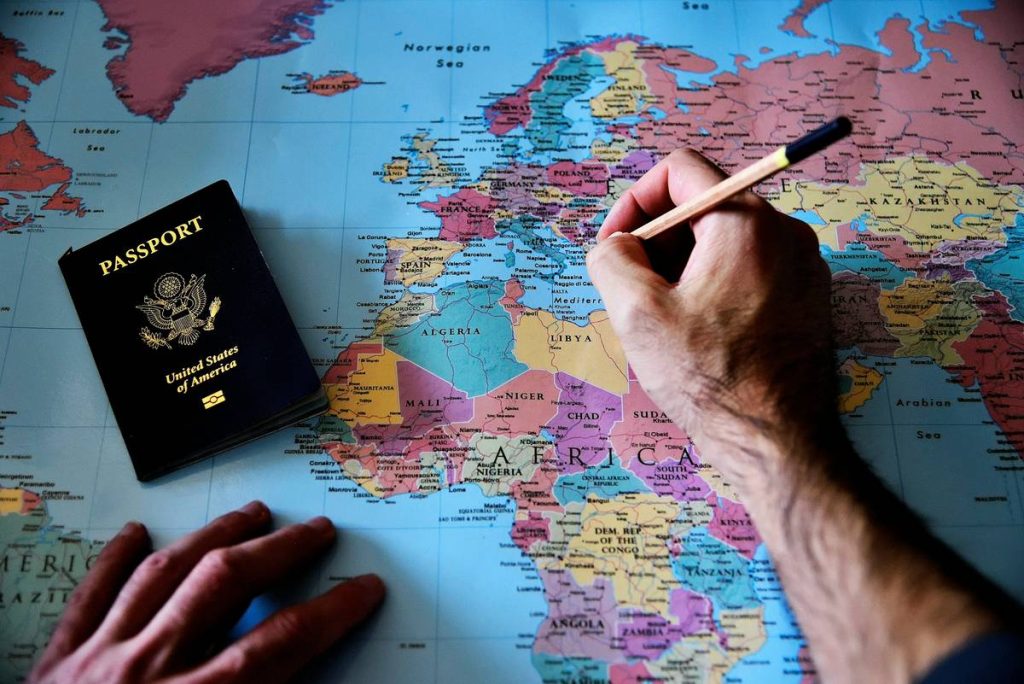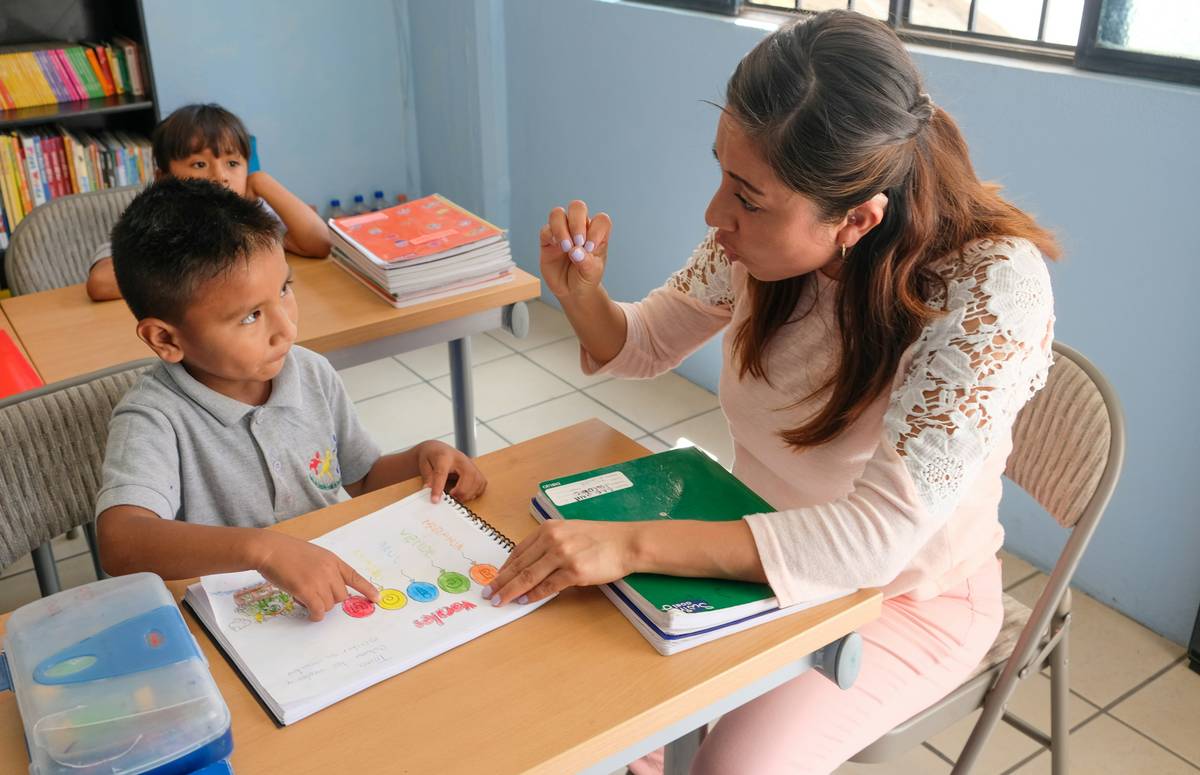
Ever landed in Madrid only to realize “¿Dónde está el baño?” sounds like you’re ordering paella? You’re not alone. Millions of travelers wing it with phrasebooks and Google Translate—then end up lost, overcharged, or accidentally insulting abuelas. A targeted spanish speaking class for travelers bridges that gap between textbook theory and real-world chaos. In this guide, we’ll unpack why context-driven language training beats rote memorization, share actionable strategies to accelerate conversational fluency, and reveal the one mistake that derails 80% of beginner learners (hint: it’s not pronunciation). Whether you’re hiking Patagonia or sipping sangria in Seville, these tactics ensure you connect—not just survive.
Table of Contents
- Why Travel Spanish Is Different
- Step-by-Step Guide to Mastering Travel Spanish
- Best Practices for Real-World Fluency
- Real Results from Targeted Training
- Frequently Asked Questions
Key Takeaways
- Travel-focused Spanish prioritizes survival phrases, local slang, and listening skills over grammar perfection.
- Immersive practice with native speakers reduces anxiety and builds accent adaptability.
- Avoid “textbook tunnel vision”—real interactions demand flexibility, not flawless subjunctive verbs.
- Consistent micro-practice (10–15 mins/day) yields better results than sporadic intensive sessions.
Why Travel Spanish Is Different
Online education platforms often treat language learning as a monolithic skill. But ordering empanadas in Buenos Aires requires wildly different vocabulary than navigating a train delay in Barcelona. Regional accents alone can trip up learners: the “s” dropping in coastal Colombia versus the crisp Castilian “th” sound in Spain. According to the U.S. Department of State’s Language Learning Resources, travelers need high-frequency, transactional phrases—not verb conjugation charts.
I learned this the hard way during my first solo trip to Mexico City. Confident after acing Duolingo streaks, I confidently asked for “un taxi” at the airport—only to be met with blank stares. Turns out, locals say “un carro” or “un ride.” My rigid textbook Spanish failed where colloquial nuance mattered most. That’s why a specialized spanish speaking class for travelers focuses on situational fluency: markets, transport, emergencies, and social pleasantries.
Step-by-Step Guide to Mastering Travel Spanish
Assess Your Real Needs
Forget “becoming fluent.” Identify your top 5 travel scenarios (e.g., checking into hotels, asking directions, handling food allergies). Prioritize vocabulary for those contexts first.
Find a Human-Centric Program
AI tutors lack cultural intuition. Choose courses with live instructors who’ve navigated tourist pitfalls themselves. At Kielikoulu, our trainers are native speakers with extensive travel experience—they know when “vale” suffices versus when you need formal politeness.
Practice Active Listening Daily
Play podcasts like “Coffee Break Spanish” during commutes. Focus on catching keywords, not every syllable. Real conversations are messy—background noise, slang, and speed are part of the challenge.
Best Practices for Real-World Fluency
- Shadowing Technique: Repeat audio clips immediately after hearing them to mimic rhythm and intonation.
- Carry a “Phrase Cheat Sheet”: Not full sentences—just prompts like “¿Cuánto cuesta…?” to jog memory under pressure.
- Avoid This Terrible Tip: Don’t memorize entire dialogues. Real people don’t follow scripts! Flexibility beats perfection.
- Rant Alert: Why do apps insist on teaching “the cat is on the table” before “Where’s the nearest pharmacy?” Prioritize utility over academic completeness.
Real Results from Targeted Training
Last year, a Kielikoulu student preparing for a backpacking trip across Central America committed to our 4-week spanish speaking class for travelers. She practiced daily using our scenario-based modules—simulating border crossings, hostel check-ins, and street food orders. Post-trip feedback revealed she handled 95% of interactions without translation apps, and even negotiated a 20% discount at a mercado by using local haggling phrases. Contrast this with generic online courses: a Wikipedia overview of second-language acquisition emphasizes that contextual relevance dramatically boosts retention and confidence.
Frequently Asked Questions
How long does it take to learn enough Spanish for travel?
With focused practice, most travelers achieve functional conversational ability in 3–6 weeks. Consistency matters more than duration—daily 15-minute sessions beat weekly marathons.
Do I need to learn grammar for travel Spanish?
Minimal grammar suffices. Focus on present-tense verbs and imperative forms (“quiero,” “necesito,” “ayúdeme”). Save subjunctive moods for post-trip deep dives.
Are group classes better than private lessons for travelers?
Group settings simulate real-world group dynamics (e.g., family travel), while private lessons tailor to your itinerary. Our hybrid model offers both—explore options on our Contact Us page.
Can I rely on translation apps instead?
Apps fail with dialects, background noise, and cultural nuance. They’re backups—not primary tools. For privacy-conscious travelers, note our strict data policies outlined in the Privacy Policy.
What if I’m traveling to multiple Spanish-speaking countries?
Prioritize neutral Latin American Spanish—it’s widely understood. A good spanish speaking class for travelers will flag key regional differences (e.g., “coche” vs. “carro” for car).
How do I maintain skills after returning home?
Join language exchange meetups or schedule monthly refreshers. Fluency fades without use, but core travel phrases stick longer than you think.
Mistakes are inevitable—but miscommunication isn’t. With the right spanish speaking class for travelers, you trade panic for presence, turning linguistic stumbles into shared laughter over tapas. Ready to transform your next adventure? Reach out today—we’ll craft a plan that fits your passport stamps, not a textbook.