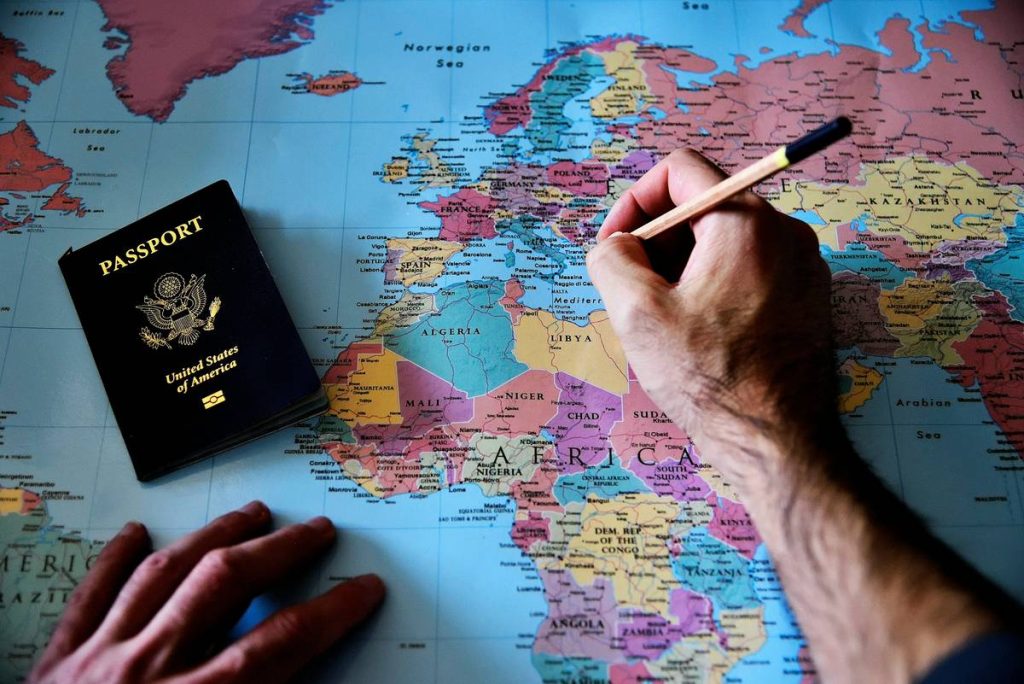
You booked your flight to Barcelona. The excitement is real—until you realize you can’t order tapas without pointing like a mime. Most travelers waste months on apps that teach verb conjugations they’ll never use. You need Spanish that works in cafés, hostels, and train stations—not classrooms. A sharp, practical travel learn spanish course cuts through the noise and puts real communication in your pocket before wheels even leave the tarmac.
Why Your Current Language App Is Failing You on the Road
Duolingo won’t ask for directions when you’re lost near La Rambla. Babbel doesn’t cover how to haggle at a mercado or say “Is this seat taken?” on a packed bus. Standard courses focus on grammar perfection—not functional survival. And fluency? Overrated for short trips.
Here’s the reality: Travelers don’t need flawless subjunctive tense usage. They need high-frequency phrases that open doors (literally). But most resources drown you in rules instead of rehearsing real-world exchanges. The result? Silence when it matters most.
How to Actually Prepare: A 7-Day Framework for Real Travel Spanish
Forget endless vocabulary lists. Focus on what gets results in under two weeks.
Master the Survival Triad First
Greetings, ordering food, and asking for help form 80% of your early interactions. Drill these until they’re automatic—no thinking required. Prioritize pronunciation over spelling; sounding close matters more than writing it right.
Ditch Passive Learning—Go Active in Context
Don’t just listen. Respond aloud. Use shadowing: play a native speaker saying “¿Dónde está el baño?” then mimic their tone and rhythm immediately. Record yourself. Compare. Repeat. Muscle memory beats memorization every time.
Simulate Travel Scenarios Daily
Role-play getting coffee, buying metro tickets, checking into a hostel. Better yet—use AI voice bots or language exchange partners for live practice. If you can handle a fake “lost luggage” drill at home, the real thing won’t panic you.

| Method | Time to Basic Fluency | Cost | Real-World Relevance |
|---|---|---|---|
| Traditional Classroom Course | 6+ months | $400–$800 | Low — focuses on exams, not travel |
| App-Based Learning (e.g., Duolingo) | 3–6 months | Free–$70/year | Medium — gamified but fragmented |
| Focused travel learn spanish course | 7–14 days | $50–$120 | High — scenario-based, immediate utility |
The Industry Secret: Code-Switching Is Your Superpower
Professional linguists know something casual learners miss: you don’t need full fluency—you need strategic code-switching. That means blending English with Spanish keywords to stay understood while sounding competent. Say “¿Cuánto cuesta esta souvenir?” and locals will still respect you more than someone fumbling for “recuerdo artesanal.”
And here’s the kicker: many Latin American vendors actually prefer travelers who mix languages—it signals humility, not laziness. It shows you’re trying, not pretending. So stop aiming for purity. Aim for connection. A well-placed “gracias” after an otherwise English sentence builds more goodwill than perfect grammar ever could.
Frequently Asked Questions
Do I really need to learn Spanish if I’m only traveling for a week?
Absolutely. Even basic phrases build trust and avoid tourist traps. Locals respond warmly—and often give better prices—when you attempt their language.
What’s the fastest way to learn travel Spanish?
A targeted travel learn spanish course focused on dialogues, not grammar drills. Spend 20 minutes daily practicing aloud using real scenarios like ordering food or asking for directions.
Can I rely on translation apps instead?
Only as backup. Apps fail offline, mishear accents, and kill conversational flow. Plus, speaking—even poorly—shows respect that machines never can.